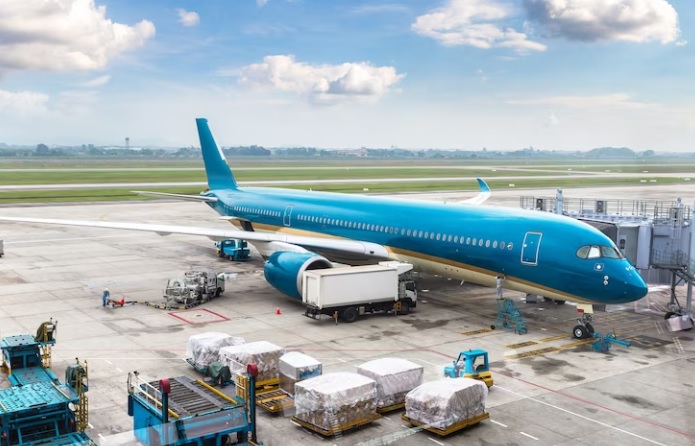
Airline travel logistics is the process of planning, organizing, and coordinating the movement of passengers and cargo by air. It encompasses a wide range of activities, including scheduling flights, managing aircraft maintenance, coordinating ground handling services, and ensuring compliance with safety and regulatory requirements.
Airline travel logistics plays a critical role in modern society, connecting people and goods across the world and enabling international trade and commerce. The airline industry is subject to a wide range of regulations and standards aimed at promoting safety, security, and environmental sustainability.
The logistics of airline travel involves coordinating the activities of many different stakeholders, including airlines, airports, ground handling companies, air traffic controllers, and regulatory bodies.
This requires a high level of communication, coordination, and collaboration among all parties involved.
The logistics of airline travel are constantly evolving to meet changing consumer needs and preferences. Advances in technology are driving innovation in areas such as flight scheduling, passenger check-in, and baggage handling. Airlines are also exploring new routes and destinations to meet the demands of a growing global market.
Overall, airline travel logistics is a critical component of the modern economy, enabling the movement of people and goods across the world and promoting economic growth and development. The industry is subject to a wide range of regulations and standards aimed at promoting safety, security, and environmental sustainability, and requires a high level of coordination and collaboration among all stakeholders involved.